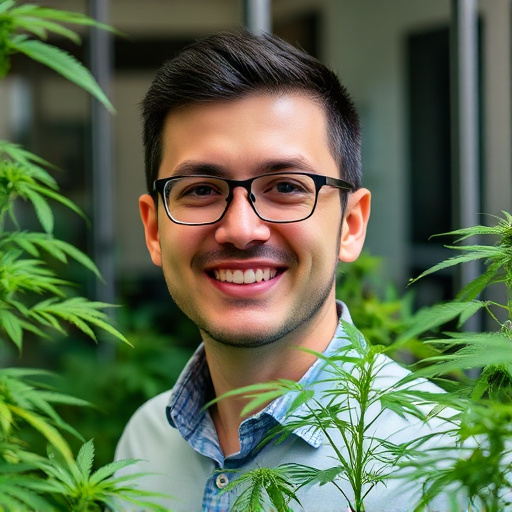
The Associate of Applied Science in Cannabis is a program designed to train students in the cultivation, processing, and business aspects of the cannabis industry. It covers topics like botany, extraction methods, and regulatory practices, preparing graduates for roles in cultivation, quality control, and management within legal cannabis operations. This specialized degree ensures a solid understanding of the burgeoning cannabis market.
Key Takeaways
- An Associate of Applied Science in Cannabis offers specialized training in cultivation, extraction, and industry regulations, preparing individuals for a growing and lucrative career in this emerging market.
- Understanding state and local laws regarding cannabis is crucial; these vary widely, influencing business models, product offerings, and customer access.
- The cannabis industry offers diverse job opportunities, from cultivation and extraction to sales and marketing, catering to various skill sets and interests.
- Hands-on training in growing, processing, and quality control ensures graduates possess the practical skills needed to meet the demanding standards of the cannabis industry.
- Certification programs and industry associations can enhance employability and provide access to networking opportunities within the dynamic cannabis sector.
- Continuous learning is essential due to rapid advancements in cannabis science, technology, and legal landscapes, ensuring professionals remain competitive and informed.
- The growth of legal cannabis creates a strong demand for skilled workers, presenting a promising career path for those with the right training and qualifications.
In the rapidly evolving landscape of Mangonia Park's cannabis industry, the Associate Of Applied Science Cannabis program stands as a beacon of specialized training. As the demand for skilled professionals outpaces traditional educational paths, this degree offers a tailored solution for those eager to enter this burgeoning field.
The program's relevance is clear: the cannabis sector demands knowledgeable workers to navigate complex cultivation, extraction, and regulatory aspects. The current shortage of qualified personnel creates a unique opportunity for aspiring professionals. By combining theoretical knowledge with hands-on experience, this Associate degree prepares students for the challenges and rewards of the cannabis industry. It connects students with local dispensaries, agricultural businesses, and government agencies, ensuring a practical, industry-focused education.
- Understanding the cannabis Curriculum
- Preparing for a Career in Cannabis: Education and Skills
- Navigating the Industry: Opportunities and Ethical Considerations
Understanding the Associate Of Applied Science Cannabis Curriculum
The cannabis program is designed to equip students with the practical skills and industry knowledge necessary for a career in the thriving cannabis sector. Unlike theoretical degrees, this program emphasizes hands-on training and an industry-focused curriculum, ensuring graduates are prepared to enter Mangonia Park's dynamic cannabis industry. Students gain experience in cultivation, extraction, product development, and compliance, learning from experienced professionals and state-of-the-art facilities.
Choosing the right provider is crucial. Students should consider institutions that offer up-to-date programs aligned with local regulations and industry trends. Exploring partnerships with local cannabis dispensaries, agricultural businesses, and research institutions can provide valuable insights into the current market and future opportunities. Students might benefit from internship programs or guest lectures from industry experts, enhancing their employability. The process involves thorough research, visiting campuses, and evaluating program outcomes, ensuring the chosen path aligns with individual career aspirations.
Upon completion, the cannabis certification prepares individuals for diverse roles, from cannabis technicians to quality control specialists. The value of this program lies in its ability to bridge the gap between theory and practice, offering a competitive edge in a rapidly evolving market. Many graduates find success in Mangonia Park's growing cannabis sector, contributing to its economic vitality and innovation. However, as with any career decision, prospective students must weigh the benefits against the time commitment and financial investment required.
Preparing for a Career in Cannabis: Education and Skills
Preparing for a career in the cannabis industry requires a specific set of skills and qualifications, which is where the cannabis comes into play. This program is designed to equip students with the knowledge and hands-on experience needed to enter this burgeoning field. Understanding what this degree entails and the process of qualifying for it is crucial for anyone aspiring to work in Mangonia Park's cannabis sector.
The cannabis is a specialized degree that focuses on the science and practical applications of cannabis cultivation, processing, and distribution. It includes coursework in botany, chemistry, pharmacology, and business practices related to the cannabis industry. Students learn about different cannabis strains, their unique properties, and how to cultivate them effectively. They gain insights into the legal and regulatory frameworks surrounding cannabis, which is a complex and changing landscape. The program's industry-focused curriculum ensures that graduates are prepared to meet the demands of this dynamic market.
Qualifying for this program typically requires a high school diploma or equivalent, though some institutions may accept students with relevant work experience. The application process involves submitting transcripts, letters of recommendation, and sometimes a personal statement. During the program, students can expect a mix of classroom instruction and lab work, including visits to local cannabis dispensaries, agricultural businesses, and research institutions. This holistic approach to education ensures that graduates are not only knowledgeable but also connected to the industry. Upon completion, students are prepared to sit for certification exams, which are crucial for pursuing various roles in the cannabis industry.
Navigating the Industry: Opportunities and Ethical Considerations
Navigating the dynamic and evolving cannabis industry is a crucial aspect of the cannabis journey. This involves understanding the intricate web of stakeholders, from local dispensaries and agricultural businesses to research institutions and government agencies. Students preparing for this field must develop a strategic mindset, as the industry presents both vast opportunities and complex ethical considerations.
Choosing the right Cannabis provider is a critical step. Students should look for programs that offer an industry-focused curriculum, ensuring they gain hands-on training and knowledge relevant to current market demands. Partnering with local dispensaries can provide valuable insights into retail operations, while connections with agricultural businesses offer a practical understanding of cultivation practices. Engaging with research institutions and government agencies allows students to stay informed about regulatory changes, a crucial aspect of working in this sector.
The process of qualifying for the cannabis certification requires a thorough understanding of the program's expectations. Students must complete a rigorous curriculum covering various aspects of cannabis science, including botany, chemistry, and pharmacology. Practical training is also essential, involving laboratory work, field studies, and internships. A student might spend time at a research facility learning advanced extraction techniques or at a cultivation facility understanding sustainable growing practices. This hands-on experience not only strengthens their application but also prepares them for the diverse roles available in the industry.
Ethical considerations play a significant role in the cannabis industry. Students must be aware of the legal and social implications of their work, especially regarding patient safety, responsible cultivation, and sustainable practices. Understanding the potential impacts of cannabis on the environment and communities is crucial. By engaging with industry experts and participating in ethical discussions during their studies, students can develop a comprehensive understanding of their role in shaping a responsible cannabis landscape, both locally in Mangonia Park and beyond.
Frequently Asked Questions About Associate Of Applied Science Cannabis
What is the cannabis? This degree program is designed to prepare students for careers in the cannabis industry, which is growing rapidly in legal markets worldwide. It covers a range of topics, including botany, cultivation, extraction, product development, and regulatory compliance. Students gain hands-on experience through labs, field work, and internships.
Are there any specific skills I need to succeed in this field? Beyond a strong interest in cannabis, successful candidates typically possess excellent communication and problem-solving skills, attention to detail, and the ability to learn complex regulations. Familiarity with basic science and mathematics is also beneficial, as is experience in horticulture or related fields.
How long does the program usually take to complete? Most Associate of Applied Science programs in cannabis range from 18 to 24 months, depending on the institution and whether the student attends part-time or full-time. This includes both classroom instruction and practical training.
What kind of careers can I pursue after completing the program? Graduates can pursue roles such as cannabis cultivator, extractor, product formulator, quality assurance specialist, regulatory compliance officer, or even business owners in the industry. The program equips students with the knowledge and skills to enter these diverse career paths.
Is there any on-the-job training or internships involved? Absolutely. Many programs include paid or unpaid internships at licensed cannabis facilities, allowing students to gain practical experience under the supervision of industry professionals. These internships are invaluable for understanding the day-to-day operations of a cannabis business and building industry connections.
Are there any licensing or certification requirements for working in the cannabis industry? Yes, requirements vary by jurisdiction. Some roles may necessitate obtaining a license or certification, such as a cultivator or extractor permit. The program prepares students to navigate these processes and understand the legal and regulatory landscape of the cannabis industry.
How do I choose the right program for me? When selecting a program, consider factors like curriculum depth, faculty experience, industry partnerships, internship opportunities, and location. Ensure the program aligns with your career goals and is accredited by a recognized institution. Check the program's placement rate and alumni testimonials.
Completing our exploration of the cannabis, it's evident that this program is a gateway to a dynamic and growing industry. By combining a robust, industry-focused curriculum with hands-on training, graduates are prepared to enter a field that offers diverse opportunities in cannabis science, agriculture, and even government. The program's emphasis on ethical considerations ensures that professionals are equipped to navigate the legal landscape responsibly, aligning with the evolving regulatory environment.
Moving forward, prospective students and industry newcomers can take several practical steps. First, explore the local cannabis community in Mangonia Park to understand market demands and industry trends. Second, leverage the program's connections with local dispensaries, research institutions, and government agencies to gain valuable internships or mentorship. Finally, stay informed about industry developments and continuing education opportunities to remain at the forefront of this rapidly changing sector. This holistic approach will ensure a successful career in cannabis, built on a solid foundation of knowledge and practical experience.