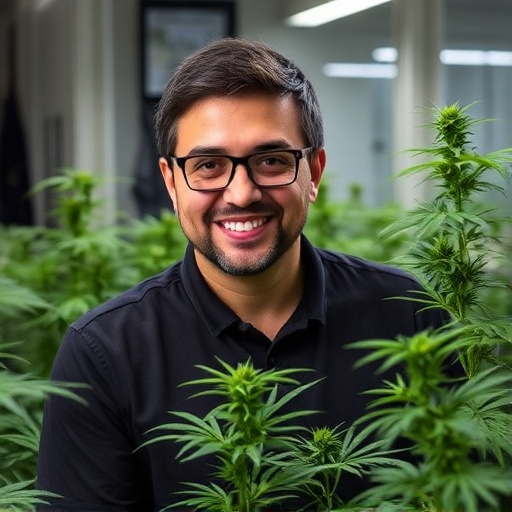
An Associate of Applied Science in Cannabis is a two-year degree focused on the practical application of cannabis cultivation, processing, and industry standards. This program equips students with skills in growing, harvesting, and producing cannabis products, as well as understanding legal and ethical considerations, ensuring a competent entry into the expanding cannabis industry.
Key Takeaways
- An Associate of Applied Science in Cannabis offers a specialized education path tailored to the growing legal cannabis industry, preparing students for diverse careers.
- Understanding state-specific regulations and cultivation methods is crucial for success in this field, as legal frameworks vary widely.
- Hands-on training in cultivation, extraction, and quality control ensures graduates possess the practical skills demanded by the industry.
- The program equips students with knowledge of cannabis chemistry, allowing them to understand the unique properties and applications of different strains.
- Graduates can pursue roles as cannabis cultivators, extraction specialists, quality assurance technicians, or enter into research and development.
- The job market for cannabis professionals is robust, with high demand for skilled workers, offering promising career prospects.
- Completing an Associate degree demonstrates a commitment to excellence and can lead to advancement in the competitive cannabis industry.
The cannabis industry is rapidly expanding, presenting both opportunities and challenges. As demand grows, ensuring a skilled workforce is critical to its success. This is where the cannabis comes into play. This specialized program prepares individuals for the unique demands of the cannabis sector, offering an industry-focused curriculum and hands-on training. However, the path to certification can be daunting, requiring meticulous preparation and a deep understanding of the evolving legal landscape. This article explores how the cannabis program addresses these challenges, leveraging industry connections, and providing a clear path to successful career advancement in this dynamic field.
- Understanding the cannabis Program
- Skills Gained and Career Paths in Cannabis
- How to Become a Certified Cannabis Specialist
Understanding the Associate Of Applied Science Cannabis Program
The cannabis program is a comprehensive, industry-focused curriculum designed to equip students with the knowledge and skills required for a successful career in the cannabis industry. This unique program goes beyond theory, providing hands-on training that mirrors real-world scenarios. Students gain practical experience through collaborations with local cannabis dispensaries, agricultural businesses, and research institutions, affording them a deep understanding of the cannabis plant, its cultivation, and its applications.
The cannabis process involves a structured combination of classroom instruction, laboratory work, and field studies. Students begin by learning the foundational principles of cannabis science, covering topics such as botany, chemistry, and pharmacology. As they progress, the curriculum examines specialized areas like cannabis cultivation techniques, extraction methods, and regulatory compliance. This well-rounded approach ensures graduates possess a solid basis in both the scientific and business aspects of the industry.
To qualify for the cannabis program, applicants must meet certain prerequisites, typically including a high school diploma or equivalent. Demonstrating proficiency in basic scientific concepts and mathematical skills is essential. A commitment to hands-on learning and a passion for the cannabis industry are crucial. The program's admissions team considers a combination of academic performance, relevant work experience, and personal statements to ensure candidates are well-suited for the rigorous curriculum and the dynamic nature of the cannabis sector.
Skills Gained and Career Paths in Cannabis
The cannabis (AAS Cannabis) program equips students with a comprehensive skill set tailored to the unique demands of the cannabis industry. Upon completion, graduates are prepared to enter various career paths, leveraging their deep understanding of cannabis science, cultivation, extraction, and regulatory compliance. This specialized training goes beyond theoretical knowledge, incorporating hands-on experience through partnerships with local cannabis dispensaries, agricultural businesses, and research institutions.
In terms of skills gained, students develop proficiency in cannabis chemistry, plant physiology, and sustainable cultivation practices. They learn to identify and analyze different cannabis strains, master extraction techniques for various products, and ensure quality control through scientific testing. The program cultivates essential soft skills, such as communication, teamwork, and problem-solving, crucial for navigating the dynamic cannabis landscape. These skills enable graduates to contribute effectively to cannabis-related businesses, research, or government initiatives.
When considering whether an AAS Cannabis is worth the investment, the potential for job opportunities and industry growth is compelling. The legalization of cannabis has sparked a surge in demand for skilled professionals, leading to a robust job market. According to industry reports, qualified cannabis scientists, cultivators, and technicians are in high demand, with positions ranging from lab technicians to farm managers. Choosing the right provider is key; students should select a program that offers industry-focused curriculum, robust networking opportunities, and access to experienced mentors. Partnering with local cannabis businesses can provide valuable insights into real-world applications and potential career paths.
Graduates of reputable AAS Cannabis programs are well-positioned to qualify for a variety of roles, from entry-level positions in cultivation or quality control to advanced positions in research and development. The program's emphasis on practical training and industry connections can make the difference in landing a job and advancing one's career in this burgeoning field.
How to Become a Certified Cannabis Specialist
Becoming a certified cannabis specialist through the cannabis program is a strategic career move that offers a unique blend of scientific knowledge and industry exposure. This path is particularly rewarding for individuals looking to contribute to the burgeoning cannabis sector, whether in retail, cultivation, research, or regulatory roles. The process begins with selecting a reputable provider that aligns with your learning style and career aspirations.
When choosing the cannabis program, consider institutions that offer industry-focused curricula. These programs ensure you gain practical skills and insights from professionals already embedded in the cannabis industry. Look for schools that have established partnerships with local cannabis dispensaries, agricultural businesses, research institutions, and government agencies. Such connections can facilitate internships, co-op placements, and networking opportunities, enhancing your employability upon graduation. A program that offers hands-on training in state-of-the-art cultivation facilities or provides access to industry experts through guest lectures is invaluable.
To qualify for the cannabis program, prospective students typically need a high school diploma or equivalent. Some institutions may also require a minimum high school GPA or specific subject-area prerequisites, especially for programs that emphasize advanced chemical or biological aspects of cannabis. It's essential to research and compare the admission requirements of different providers to ensure you meet the criteria. Remember, while the program itself is a significant step towards certification, ongoing professional development, and staying abreast of industry trends are equally crucial for long-term success as a cannabis specialist.
The question of whether the cannabis is worth it depends on your career goals and the program's quality. A well-structured program that combines rigorous academic study with hands-on experience can equip you with the knowledge and skills to excel in the cannabis industry. However, it's essential to evaluate the program's curriculum, faculty credentials, job placement rates, and alumni testimonials to make an informed decision. Investing time and resources in a reputable program can open doors to exciting career opportunities in a rapidly expanding and dynamic sector.
Frequently Asked Questions About Associate Of Applied Science Cannabis
What is the cannabis? This degree, often abbreviated as AAS in Cannabis, is a post-secondary academic qualification focused on the cultivation, processing, and business aspects of the cannabis industry. It equips students with hands-on skills and theoretical knowledge to enter various roles within legal cannabis operations, from farming and extraction to marketing and management.
What are the typical courses in this program? Curricula vary by institution, but core subjects often include cannabis botany, cultivation techniques, extraction methods, legal and regulatory frameworks, business management, marketing strategies, and quality control. Some programs may also offer electives in areas like event planning, cannabis cuisine, or pharmaceutical applications.
Is there any on-the-job training involved? Absolutely. Many programs include internships or co-op placements where students gain practical experience in licensed cannabis facilities. These hands-on opportunities are crucial for developing skills in cultivation, extraction, and industry-specific software, enhancing students' employability within the fast-growing cannabis sector.
Can I start a cannabis business with this degree? While the AAS in Cannabis provides a strong foundation, it is not a standalone license or certification for business ownership. However, it equips graduates with the skills and knowledge to pursue entrepreneurial ventures in the industry, such as consulting, cultivation, or product development. Additional licenses and business training may be required for full business ownership.
What are the career prospects like for graduates? The legal cannabis industry is experiencing rapid growth, creating diverse career paths for AAS in Cannabis graduates. Roles can include cannabis cultivator, extractor, quality assurance specialist, sales representative, marketing manager, or even business owners. The degree opens doors to dynamic and rewarding careers at the forefront of this innovative industry.
Completing this journey through the world of the cannabis, we see a clear path towards a dynamic and growing industry. This program, with its industry-focused curriculum and hands-on training, equips students with a comprehensive skill set for success in the cannabis sector. From understanding the science behind cannabis cultivation and extraction to learning the regulatory framework, graduates are prepared to take on roles as certified cannabis specialists.
The key takeaway is that this degree is not just about understanding the plant; it's about building relationships within the industry. Collaborating with local dispensaries, agricultural businesses, and research institutions, students gain real-world experience and insights. Preparation for certification is a significant advantage, as it opens doors to diverse career paths in retail, cultivation, product development, and more.
Moving forward, aspiring professionals should take concrete steps: engage with local industry partners, seek out internships, and immerse themselves in the latest research. By doing so, they'll be well on their way to becoming valuable contributors to the cannabis industry, leveraging the knowledge and connections gained during their Associate of Applied Science journey.