Key Takeaways
- An Associate of Applied Science in Cannabis offers a specialized education path for those interested in the burgeoning cannabis industry.
- Graduates are prepared for a variety of roles, from cultivation and extraction to sales and compliance.
- This program equips students with both technical skills and a deep understanding of cannabis biology, chemistry, and law.
- The demand for qualified cannabis professionals is high, with job growth expected to continue at a robust pace.
- Completion of this degree can open doors to entry-level positions in the cannabis sector, with opportunities for advancement.
- Many employers within the industry value hands-on experience and relevant certifications alongside formal education.
- Staying up-to-date on local and state regulations is crucial for success in this field, given the evolving legal landscape.
An Associate of Applied Science in Cannabis is a specialized degree for those interested in the growing, cultivation, and production of cannabis. This program teaches students about the plant's biology, cultivation techniques, and the legal and regulatory environment surrounding cannabis use. Upon completion, graduates can pursue careers in cannabis farming, research, or as experts in this emerging industry.
The cannabis industry is rapidly expanding, creating a growing demand for skilled professionals to ensure its safe and effective integration into the mainstream market. This presents a unique challenge: there's a pressing need for qualified individuals who understand both the scientific and practical aspects of cannabis cultivation, production, and regulation. The cannabis program offers a targeted solution, providing a robust educational framework centered on industry-relevant skills. By bridging the gap between academic knowledge and real-world application, this program prepares students to contribute to the responsible growth of the cannabis sector.
- Understanding the cannabis Program
- Skills & Career Pathways: An AAS Cannabis Degree
- Navigating the Cannabis Industry with Your AAS Degree
Understanding the Associate Of Applied Science Cannabis Program
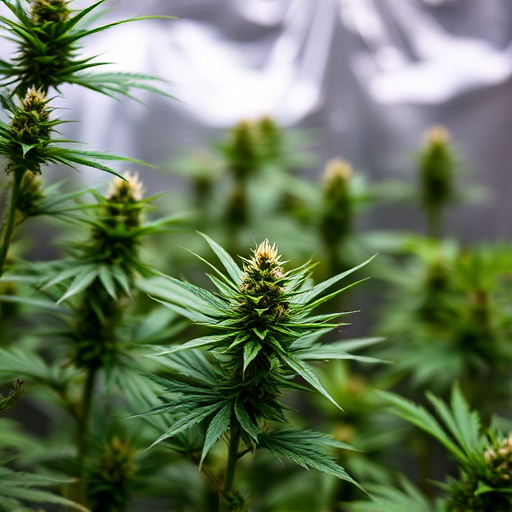
The cannabis program is a specialized educational path tailored to the burgeoning cannabis industry. It's more than just learning about cannabis; it's about understanding its science, cultivation, and application within a legal, regulatory framework. This industry-focused curriculum ensures graduates are prepared for a wide range of careers in this dynamic field. The process involves intensive coursework, hands-on training, and preparation for certification, all designed to meet the evolving needs of local cannabis dispensaries, agricultural businesses, and research institutions.
Choosing the right Cannabis provider is crucial. Look for programs that offer a comprehensive curriculum, maintain strong industry connections, and provide ample opportunities for practical experience. Consider the expertise of the faculty, their experience in the field, and the school's track record placing graduates in desired roles. Some programs may partner with local cannabis dispensaries to offer internships or job placements, providing students with real-world experience and a leg up in the job market.
The program encompasses a diverse set of topics, from cannabis botany and cultivation techniques to legal and regulatory requirements. Students learn about different cannabis strains, their unique properties, and how to cultivate them efficiently. They also examine the science behind cannabis' effects on the human body, its medical applications, and the latest research findings. They explore the business side of the industry, understanding marketing, sales, and quality control processes. This holistic approach ensures graduates possess the knowledge and skills to excel in various roles within the cannabis sector.
Skills & Career Pathways: An AAS Cannabis Degree
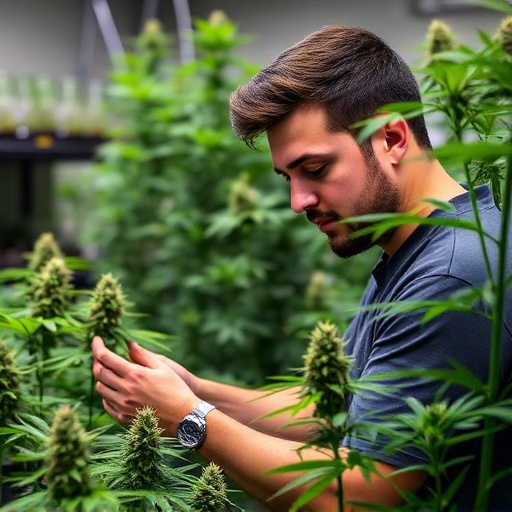
When pursuing a career in the rapidly expanding cannabis industry, the Associate of Applied Science (AAS) in Cannabis offers a focused, hands-on approach to learning. This degree is designed to prepare students for a variety of roles within the cannabis science field, from cultivation and extraction to sales and policy. Choosing the right provider is crucial; look for programs that offer an industry-focused curriculum, ensuring your training is relevant and up-to-date. The application process typically involves submitting transcripts, letters of recommendation, and a personal statement highlighting your motivation and relevant experience.
Upon completion of the AAS Cannabis program, graduates gain a deep understanding of the plant's chemistry, cultivation, and legal landscape. They are well-prepared to enter roles like cannabis cultivator, extraction technician, quality control specialist, or even a position in retail or government agencies. Many graduates find themselves working alongside local cannabis dispensaries, contributing to the agricultural side of the business or ensuring product safety through laboratory testing. The AAS Cannabis degree process involves a blend of classroom instruction, lab work, and internships, providing a comprehensive education that prepares students for real-world challenges.
To stand out in this competitive field, students should focus on developing practical skills in areas like cannabis extraction, analysis, and compliance. Hands-on training, often conducted in collaboration with industry partners, ensures graduates are job-ready. Building connections through the program's industry partnerships can open doors to future career opportunities. Remember, the cannabis industry is constantly evolving, so lifelong learning and adaptability are key to a successful career path in this dynamic sector.
Navigating the Cannabis Industry with Your AAS Degree
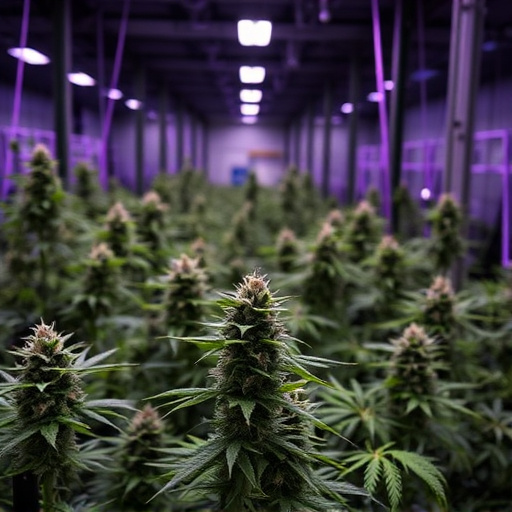
Upon completion of the cannabis program, graduates are well-positioned to navigate the dynamic and evolving cannabis industry. This degree, with its industry-focused curriculum and hands-on training, equips students with a unique skill set that is highly sought after by employers across the spectrum of cannabis-related businesses. Whether you're interested in working directly with cannabis plants on an agricultural operation, ensuring product quality control in a dispensary, or managing regulatory compliance for a cannabis-focused startup, the cannabis degree opens doors.
Choosing the right provider for your Cannabis education is crucial. Look for programs that offer a strong connection to local cannabis businesses, research institutions, and government agencies. These partnerships provide valuable industry insights and may even include internship or co-op opportunities, ensuring you gain practical experience alongside theoretical knowledge. Consider the provider's faculty, their industry experience, and the programs' flexibility to fit your learning needs. Some institutions offer evening or online classes to accommodate working professionals.
To qualify for the cannabis degree, students typically need a high school diploma or equivalent, and some programs may require basic prerequisites in biology or chemistry. Many schools offer preparation courses to help students meet these requirements. Once enrolled, students can expect a rigorous curriculum that covers a range of topics, from cannabis botany and cultivation practices to extraction methods, product development, and legal and regulatory frameworks. Successful completion of the program, including any required internships or practical training, leads to certification and prepares graduates for a variety of cannabis-related careers.
Frequently Asked Questions About Associate Of Applied Science Cannabis
What is the cannabis? An Associate of Applied Science (AAS) in Cannabis is a two-year post-secondary degree designed to prepare students for careers in the cannabis industry. It provides a combination of classroom instruction and hands-on training in cultivation, extraction, product development, and business practices specific to the cannabis sector.
Are there any licensing requirements for this field? In many jurisdictions, individuals working directly with cannabis must be licensed. This degree equips graduates with the knowledge and skills to sit for such licensing exams. It covers topics like cannabis botany, pharmacology, regulation, and safety protocols, ensuring professionals are well-versed in industry standards.
What kind of careers can I pursue with this degree? Graduates are qualified for roles such as cannabis cultivator, extractor, product developer, quality assurance specialist, and small business owner. The degree fosters entrepreneurial skills, enabling graduates to establish their own cannabis-related ventures, from cultivation facilities to product distribution.
Is there a high demand for professionals in this field? The cannabis industry is experiencing rapid growth, leading to a high demand for skilled workers. According to industry reports, job openings in cannabis cultivation and extraction have increased significantly, offering numerous opportunities for qualified professionals.
Do programs include any hands-on experience? Absolutely. These programs often include internships or co-op placements at licensed cannabis facilities, allowing students to gain practical experience in a real-world setting. This hands-on training complements classroom learning and provides valuable industry connections.
Are there any online or hybrid options available? Many institutions offer flexible learning paths, including online and hybrid programs. These options cater to students who prefer remote learning or have other commitments, ensuring accessibility to those interested in pursuing an AAS in Cannabis.
What are the admission requirements? Admission requirements typically include a high school diploma or equivalent, with a focus on science, mathematics, and business courses. Some programs may also consider prior work experience in the industry or relevant volunteer work.
The cannabis program equips graduates with the specialized knowledge and hands-on skills needed to thrive in the dynamic cannabis industry. By combining a rigorous industry-focused curriculum with practical training, this degree prepares students for diverse career pathways, from cultivation and extraction to dispensary management and research. Upon completion, individuals are well-positioned to leverage their AAS Cannabis degree, fostering connections with local dispensaries, agricultural businesses, and even government agencies. This makes them valuable assets in an increasingly legalized and regulated market, where their expertise can contribute to product development, quality control, and regulatory compliance. The next step for interested learners is to thoroughly explore the program's curriculum, connect with industry professionals, and consider internships or externships to gain real-world experience, ultimately setting the stage for a successful career in the cannabis sector.