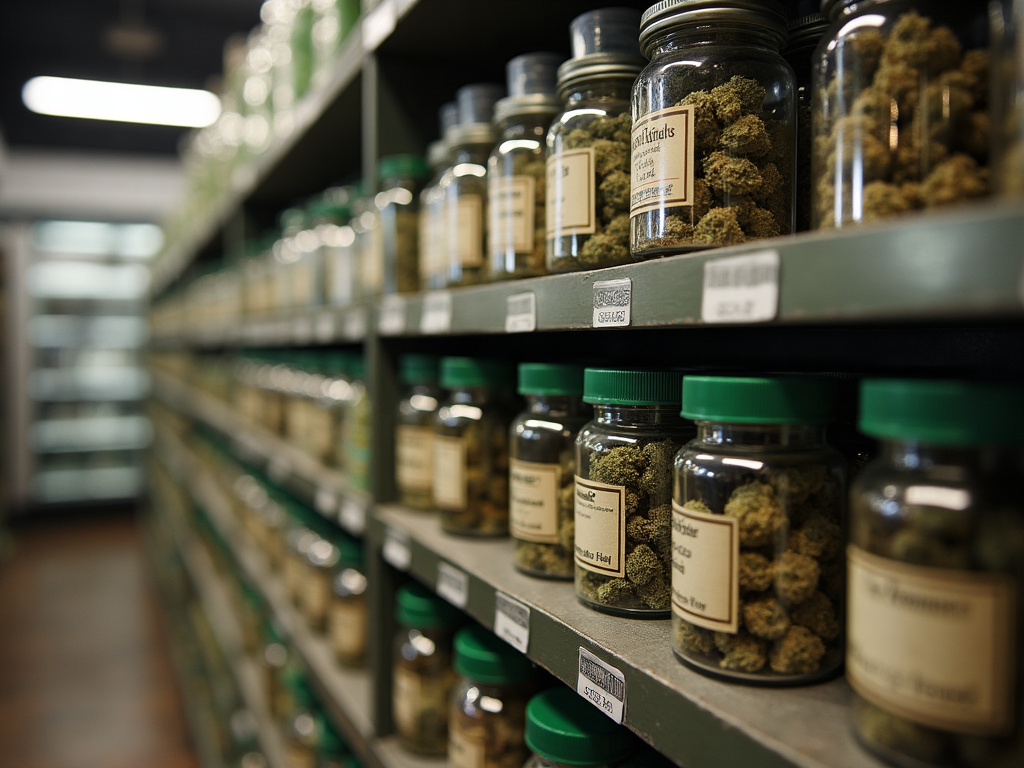
An Associate of Applied Science in Cannabis is a specialized degree for those interested in the cannabis industry. It covers topics like plant science, cultivation, extraction, and legal aspects, preparing students for careers in growing, processing, and selling cannabis products. This hands-on program ensures graduates are equipped with the skills to meet the demands of a rapidly expanding market.
Key Takeaways
- An Associate of Applied Science in Cannabis offers specialized training in cultivation, extraction, and industry regulations, preparing students for emerging job opportunities in the legal cannabis market.
- Understanding the plant’s biochemistry, growing techniques, and extraction methods is crucial for quality control and product development in the cannabis industry.
- The legal cannabis market is experiencing rapid growth, creating demand for skilled workers in cultivation, processing, and retail settings.
- Hands-on training and industry partnerships provide students with practical experience and networking opportunities within the cannabis sector.
- Compliance with local, state, and federal regulations is paramount in the cannabis industry, requiring students to understand legal frameworks and ethical practices.
- The diverse career paths within the cannabis industry include roles as cultivators, extractors, budtenders, and business owners, with opportunities for specialized expertise.
- Continuous learning and adaptation are essential in the dynamic cannabis industry, where scientific research, consumer preferences, and legal landscapes are constantly evolving.
In the rapidly evolving cannabis industry, the demand for skilled professionals is outpacing the supply, highlighting a pressing need for comprehensive training programs. The cannabis offers a tailored solution, providing students with the knowledge and hands-on experience required to thrive in this dynamic sector.
The program’s industry-focused curriculum ensures graduates are prepared to enter diverse roles, from cultivation and extraction to sales and regulatory compliance. By partnering with local cannabis dispensaries, agricultural businesses, and research institutions, the applied science cannabis program offers valuable insights and networking opportunities.
This article examines the program’s structure, industry connections, and the impact it has on shaping the future of cannabis education, ultimately addressing the industry’s pressing need for qualified professionals.
- Understanding the cannabis Curriculum
- Preparing for a Career in the Cannabis Industry
- Career Paths and Opportunities with an AAS in Cannabis
Understanding the Associate Of Applied Science Cannabis Curriculum
The cannabis curriculum is designed to prepare students for the dynamic and regulated cannabis industry, ensuring they have the knowledge and skills to excel in this burgeoning field. This program goes beyond general cannabis education, offering an industry-focused curriculum that combines theoretical learning with hands-on training. Students gain a deep understanding of cannabis science, cultivation, processing, and regulatory compliance, all essential components for success in this specialized sector.
The core components of the cannabis program include in-depth studies on cannabis botany, chemistry, and pharmacology. Students learn about different cannabis strains, their unique properties, and the science behind their effects. They explore advanced cultivation techniques, from seed to harvest, and gain experience in growing cannabis plants under controlled environments. The curriculum covers essential topics such as extraction methods, product formulation, and quality control procedures. These practical skills are honed through hands-on training in state-of-the-art facilities, ensuring students are well-prepared for the practical demands of the industry.
To qualify for this program and excel in the cannabis field, students should possess a strong foundation in biology, chemistry, and basic math. A passion for the cannabis plant and its potential benefits is crucial, as is a commitment to learning and staying current with industry regulations. The program’s focus on both scientific understanding and industry connections makes it a valuable investment. Many graduates find success in roles such as cannabis cultivators, researchers, product developers, and quality assurance specialists, contributing to the advancement of this evolving industry. The local cannabis dispensaries and agricultural businesses often collaborate with academic institutions, providing real-world insights and fostering a robust learning environment.
Preparing for a Career in the Cannabis Industry
Preparing for a career in the cannabis industry requires a focused and comprehensive approach, making the cannabis a valuable credential. When choosing an educational provider, consider institutions that offer industry-focused curricula, ensuring you gain hands-on training relevant to current market demands. This practical experience is crucial, as the cannabis sector is dynamic, with advancements in cultivation, extraction, and product development.
The cannabis typically encompasses a range of specialized topics, from cannabis botany and chemistry to cultivation techniques, product formulation, and regulatory compliance. The program equips students with the knowledge to understand the cannabis industry. To qualify for such a program, applicants usually need a high school diploma or equivalent, demonstrating a commitment to learning and a genuine interest in the field. Some institutions may also consider prior work experience in related industries, such as agriculture or pharmaceuticals.
When selecting a provider, explore connections with local cannabis dispensaries, agricultural businesses, and research institutions. These partnerships offer valuable networking opportunities and ensure your education is aligned with industry trends. Engaging with government agencies specializing in cannabis regulation provides a comprehensive understanding of the legal and policy aspects of the industry. This multi-faceted approach ensures graduates are well-prepared to enter the cannabis industry, equipped with the skills and knowledge to excel in their chosen careers.
Career Paths and Opportunities with an AAS in Cannabis
The cannabis (AAS in Cannabis) equips students with specialized knowledge and skills to thrive in the burgeoning cannabis industry. This degree goes beyond general botany or chemistry to examine the intricate world of cannabis cultivation, processing, and regulation. Students learn the science behind different cannabis strains, their therapeutic properties, and the latest extraction methods. They may gain hands-on experience with advanced cultivation techniques, such as hydroponics and LED lighting, to optimize plant growth and yield.
Upon completion of the program, graduates are prepared for a variety of rewarding careers. Popular paths include cannabis cultivation specialist, where they oversee plant growth and harvest, and quality assurance technician, ensuring products meet safety and potency standards. Some may pursue roles as cannabis researchers, contributing to the growing body of scientific literature on the plant’s medicinal properties. The AAS in Cannabis often includes industry-focused curriculum, connecting students with local cannabis dispensaries, agricultural businesses, and research institutions. This provides valuable networking opportunities and insights into the latest market trends.
Choosing the right provider is crucial for a successful career in cannabis. Students should consider programs that offer comprehensive training, industry partnerships, and access to certification preparation. A strong curriculum backed by experienced instructors and a supportive learning environment can significantly enhance job prospects. Students should look for programs that provide internships or externships at local cannabis businesses, allowing them to gain practical experience and build professional relationships. Selecting a reputable institution that aligns with individual career goals will open doors to exciting opportunities in the dynamic cannabis sector.
Frequently Asked Questions About Associate Of Applied Science Cannabis
What is the cannabis?
The cannabis is a specialized degree focused on the cultivation, processing, and application of cannabis for various industries. This program equips students with the knowledge and skills to work in cannabis cultivation, extraction, product development, and regulatory compliance.
What are the key skills learned in this program?
The program teaches a range of skills, including cannabis botany and cultivation techniques, extraction and product manufacturing, quality control and testing, regulatory knowledge, and business management practices specific to the cannabis industry. Students gain hands-on experience through labs, field work, and projects that simulate real-world cannabis operations.
Are there any industry certifications available upon completion?
Upon successful completion of the program, graduates may be eligible for industry-recognized certifications. These certifications validate their expertise in areas such as cannabis cultivation, extraction, and product development, enhancing their employability and marketability in the cannabis industry.
What kind of career opportunities are available for graduates?
Graduates can pursue careers as cannabis cultivators, extractors, product developers, quality control specialists, compliance officers, business managers, and consultants. The legal and regulated cannabis market is growing rapidly, creating a demand for qualified professionals with this specialized knowledge.
How long does the program typically take to complete?
The cannabis program usually takes about two years to complete, depending on the institution and the number of credits required. Some accelerated programs may offer a faster path to graduation, while part-time study options allow students to balance their education with other commitments.
What are the admission requirements?
Admission requirements vary by institution, but typically include a high school diploma or equivalent, satisfactory scores on relevant assessments (e.g., placement tests), and any specific course prerequisites. Some programs may also consider prior work experience in the cannabis or related industries as an asset.
Where can someone find more information about this degree?
Prospective students can find detailed information on program websites, college catalogs, and through direct contact with the admissions offices of educational institutions offering the cannabis degree. Industry associations and cannabis-focused publications can provide valuable insights and resources.
Completing this exploration of the cannabis, we can confidently state that this program offers a robust and industry-focused path to success. By combining a rigorous curriculum with hands-on training, graduates are equipped to excel in various roles within the dynamic cannabis sector. From cultivating and extracting to quality control and sales, the cannabis opens doors to diverse career opportunities.
The program’s strong industry connections, including partnerships with local dispensaries, agricultural businesses, and research institutions, provide valuable networking opportunities. This practical approach ensures that students are prepared to meet the real-world demands of the cannabis industry. The preparation for certification is a key advantage, ensuring graduates are equipped to meet professional standards.
The cannabis offers a comprehensive and authoritative education, fostering graduates who are ready to contribute to the growth and development of this burgeoning industry.