
Key Takeaways
- An Associate of Applied Science in Cannabis offers a specialized path for those interested in the burgeoning cannabis industry, combining science and practical application.
- This program equips students with the knowledge to cultivate, process, and distribute cannabis products safely and ethically, meeting the diverse needs of the legal market.
- Graduates can pursue careers as cannabis cultivators, extractors, quality control specialists, or business owners in a rapidly expanding sector with strong job prospects.
- Hands-on training in growing techniques, extraction methods, and quality control analysis ensures graduates are prepared to meet the stringent standards of the cannabis industry.
- Understanding the plant’s biochemistry and pharmacology is crucial; the program emphasizes learning about cannabinoids, terpenes, and their therapeutic applications.
- Legal and regulatory knowledge is integrated throughout, ensuring graduates understand the complex framework governing the cannabis industry in Fontainebleau.
- Networking opportunities with industry professionals and local cannabis businesses provide valuable connections for new graduates entering the workforce.
At a glanceAn Associate of Applied Science in Cannabis is a specialized degree that prepares students for careers in the growing cannabis industry. It covers topics like plant science, cultivation, extraction, and legal regulations, ensuring graduates have the knowledge to work in labs, farms, or retail settings. This program is ideal for those seeking to enter this emerging and regulated market.
In the rapidly evolving cannabis industry, the cannabis program stands as a beacon of specialized education, offering a critical pathway for career advancement. As demand for cannabis-related services surges, from cultivation to retail, the program addresses a pressing need for skilled professionals.
However, navigating the complex world of cannabis can be challenging, with regulatory hurdles, evolving cultivation techniques, and diverse consumer needs. The cannabis program prepares graduates to thrive in this landscape, combining theoretical knowledge with hands-on experience. By partnering with local cannabis dispensaries, agricultural businesses, and research institutions, this program ensures students are equipped to enter a dynamic and promising job market.
Associate Of Applied Science In Cannabis Business Administration Online: Where to Start
Looking for associate of applied science in cannabis business administration online? Beal College associate of applied science in cannabis business administration can answer your questions directly.
- Understanding the cannabis Curriculum
- Skills Development: Preparing for the Cannabis Industry
- Career Pathways and Opportunities in Cannabis Science
Understanding the Associate Of Applied Science Cannabis Curriculum
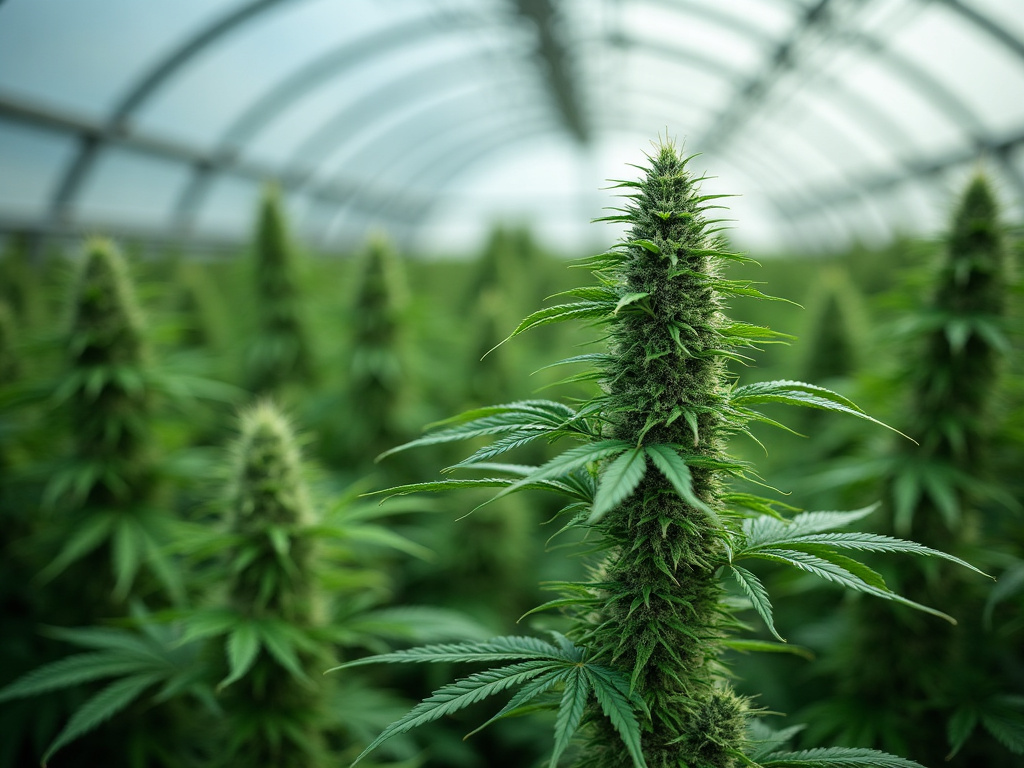
Choosing the right Cannabis is a critical step in your career path. The program offers a comprehensive understanding of the cannabis industry, combining theoretical knowledge with practical skills. It’s designed to prepare students for various roles, from cultivation and extraction to sales and regulatory compliance. This hands-on approach is a key differentiator, ensuring graduates are job-ready and equipped to meet the demands of a growing market.
The core curriculum for the cannabis typically includes courses in plant biology, chemistry, and pharmacology, providing a solid foundation in the science behind cannabis. Students examine topics like cannabis genetics, cultivation techniques, and the extraction process. They learn about different cannabis compounds, their effects, and potential medical applications. The program covers business and marketing fundamentals, legal aspects, and patient advocacy, offering a well-rounded education. Students might learn to develop cannabis-based products, understand local and federal regulations, and communicate effectively with diverse client groups.
To qualify for these programs, prospective students generally need a high school diploma or equivalent. Some institutions may also consider prior work experience in the industry, demonstrating a genuine interest and commitment. It’s essential to research different cannabis training programs and their outcomes. When selecting a provider, consider their industry partnerships, job placement rates, and the quality of their instruction. Ensure the program aligns with your career goals and the evolving legal landscape of cannabis. Remember, choosing the right Cannabis program can open doors to exciting opportunities in this dynamic industry.
Skills Development: Preparing for the Cannabis Industry

The Associate of Applied Science (AAS) in Cannabis is a specialized program designed to equip students with the practical knowledge and skills required for a successful career in the burgeoning cannabis industry. This hands-on training is tailored to meet the unique demands of a sector that is rapidly evolving, with a focus on both scientific understanding and industry-relevant competencies. The process involves an in-depth exploration of cannabis biology, cultivation techniques, extraction methods, and regulatory compliance, among other critical areas. Students are prepared not only for entry-level positions but also for advanced roles in research, quality control, and business management within the cannabis sector.
The AAS Cannabis curriculum goes beyond theoretical knowledge to include extensive laboratory work, field training, and internships with local cannabis dispensaries, agricultural businesses, and research institutions. This industry-focused approach ensures that graduates are well-versed in the latest advancements and practices in the field. Students might learn how to conduct thorough cannabinoid analysis, understand the intricate processes of cannabis extraction, and gain experience in growing different cannabis strains under controlled conditions. These skills are highly sought after by employers, making the AAS Cannabis degree a valuable asset in a competitive job market.
Is the cannabis worth the investment? Absolutely, according to industry experts. The legal cannabis market is projected to reach significant milestones in the coming years, creating a robust demand for skilled professionals. This growth offers numerous career paths, from cultivation and extraction specialists to consultants and business entrepreneurs. By embracing the AAS Cannabis program, individuals position themselves to capitalize on this expanding industry, securing not only competitive salaries but also the satisfaction of contributing to a rapidly evolving landscape. The program’s success lies in its ability to bridge the gap between academic excellence and practical application, ensuring graduates are job-ready and prepared to make a tangible impact.
| Factor | What to know |
|---|---|
| Core curriculum | Plant biology, chemistry, pharmacology, cultivation, extraction, and legal regulations |
| Hands-on training | Lab work, field training, and internships with dispensaries and research institutions |
| Admission requirements | High school diploma or equivalent; relevant work experience may be considered |
| Career pathways | Cultivators, extractors, quality control specialists, consultants, or business owners |
| Choosing a program | Check industry partnerships, job placement rates, and instruction quality |
| Industry outlook | Legal cannabis market growth creates strong demand for skilled professionals |
Career Pathways and Opportunities in Cannabis Science
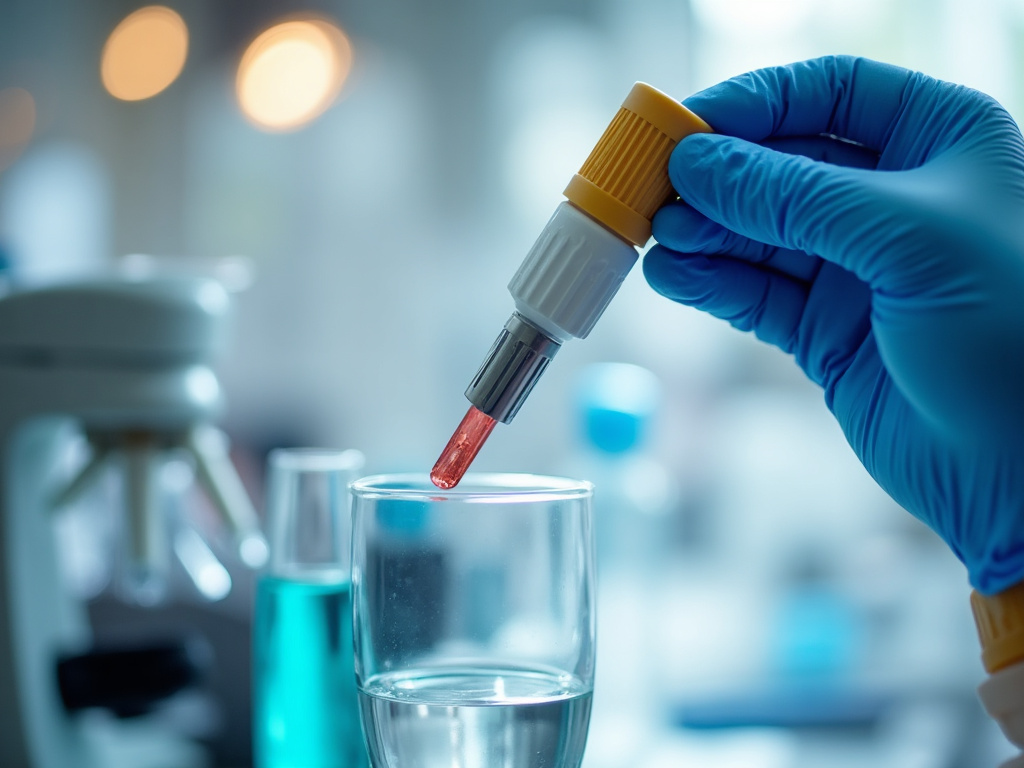
The cannabis offers a specialized pathway into one of the fastest-growing industries in Florida. This program is designed to prepare students for careers in the burgeoning cannabis science field, providing a deep understanding of the plant’s chemical composition, cultivation, and legal aspects. For those considering this path, understanding the opportunities and the value of such a degree is crucial.
The curriculum for the cannabis is tailored to meet the needs of the industry. Students engage in a mix of classroom instruction and hands-on training, learning about cannabis genetics, cultivation techniques, and the latest extraction methods. They also examine the business and regulatory aspects, essential for navigating the legal cannabis market. The program’s industry-focused curriculum ensures graduates are well-prepared to enter various roles, such as cannabis cultivator, extractor, or even a position in research and development. Local cannabis dispensaries often seek employees with this level of specialized knowledge to ensure product quality and consistency.
Completing the cannabis can open doors to diverse career opportunities. It is a solid foundation for further education, allowing students to transition into bachelor’s programs in related fields. Many graduates find work in cannabis cultivation facilities, where their understanding of the plant’s biology and chemistry is invaluable. Others contribute to the industry’s research and development, exploring new extraction techniques or the potential medical applications of cannabis. The process of becoming a cannabis scientist involves rigorous study and practical experience, but it is a rewarding path for those passionate about this unique plant and its potential.
Frequently Asked Questions About Associate Of Applied Science Cannabis
What is the cannabis?
This is a two-year degree program designed to train students in the cultivation, processing, and business aspects of the cannabis industry. It equips graduates with the skills to work in various roles, from farming and extraction to marketing and sales.
Are there any specific courses in this program?
The curriculum includes classes on cannabis biology, cultivation techniques, extraction methods, legal and regulatory frameworks, and business practices. Students also gain hands-on experience through laboratory work and internships, ensuring they’re prepared for the practical aspects of the industry.
Is this degree necessary to work in the cannabis industry?
While not always mandatory, the cannabis can significantly enhance job prospects in the rapidly growing industry. It provides specialized knowledge and skills that can set graduates apart from those with only general training.
Can I transfer credits from other education or experience?
Many institutions allow transfer credits, depending on the coursework completed. It’s best to discuss your specific situation with an admissions counselor, as policies vary. Prior learning, including relevant work experience, might be evaluated for credit, potentially reducing the time to degree completion.
Are there any licensing or certification requirements after graduation?
In many jurisdictions, cannabis industry professionals may need to obtain licenses or certifications. These requirements vary by role and location. Graduates of this program are well-prepared to navigate these processes and often have the foundational knowledge to excel in roles that require further specialization.
What are some career paths for graduates?
Graduates can pursue roles such as cannabis cultivator, extractor, quality assurance specialist, sales representative, marketing manager, or even start their own cannabis businesses. The versatility of the degree opens doors to a diverse range of opportunities in this burgeoning field.
The cannabis offers a comprehensive and industry-focused approach to understanding this burgeoning field. By combining hands-on training, scientific rigor, and practical skills development, graduates are well-prepared to enter a dynamic cannabis industry. This program equips individuals with the knowledge to understand cannabis science, from cultivation and extraction to regulatory compliance and consumer education.
Upon completion, individuals are poised for diverse career opportunities, from working in local cannabis dispensaries and agricultural businesses to contributing to advanced research at institutions and collaborating with government agencies. The program’s relevance and success are underscored by its alignment with industry needs and its ability to produce certified professionals ready to make a tangible impact.
Practical steps for those inspired by this article include exploring available industry connections, engaging with local cannabis businesses, and considering the program’s curriculum as a roadmap for continuous learning. The cannabis represents a strategic investment in both personal and professional growth within this rapidly evolving sector.
Beal University
99 Farm Rd, Bangor, ME 04401
(207) 307-3900
Website: beal.edu
View Beal University on Google Maps
For related local guidance, see our associate of applied science cannabis resources.