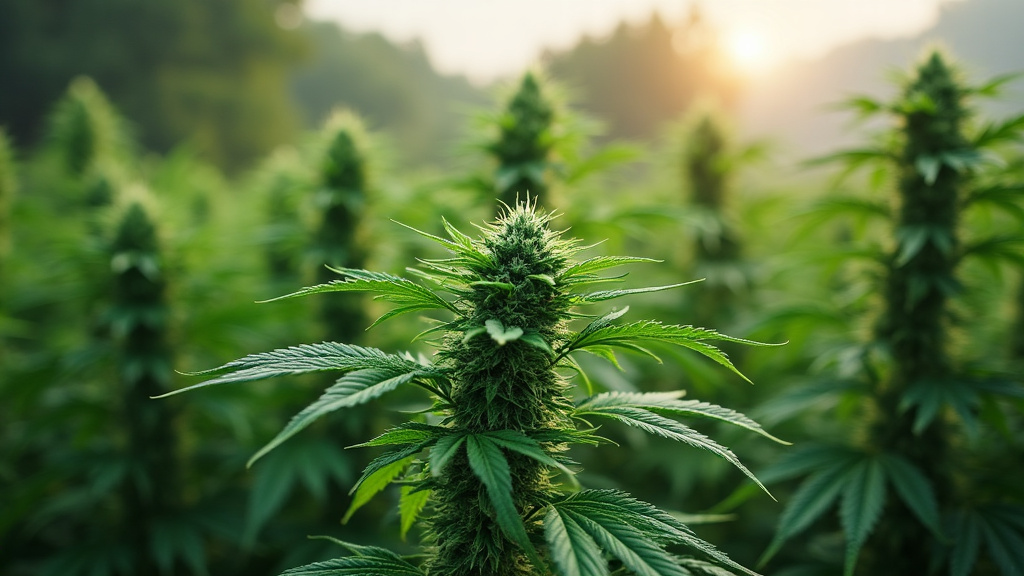
At a glanceAn Associate of Applied Science in Cannabis is a specialized degree focused on the cultivation, processing, and business aspects of legal cannabis production. This program equips students with hands-on knowledge of growing techniques, extraction methods, and industry regulations, preparing them for careers in this burgeoning sector.
Key Takeaways
- An Associate of Applied Science in Cannabis offers a specialized education path for those interested in the emerging cannabis industry.
- This program equips students with knowledge of cannabis cultivation, extraction, and legal/regulatory aspects, preparing them for diverse career opportunities.
- Graduates can pursue roles in cultivation, extraction, product development, quality control, and retail, contributing to the expanding cannabis market.
- Understanding the plant’s biochemistry and pharmacology is crucial for ensuring product safety and effectiveness in medical and recreational applications.
- Hands-on training in cannabis cultivation and extraction methods ensures students are prepared to work in state-licensed facilities.
- Many states are legalizing cannabis, creating a growing demand for qualified professionals in cultivation, processing, and retail sales.
- The industry’s complexity requires a strong understanding of botany, chemistry, and business practices to manage operations and maintain quality.
The cannabis industry is experiencing rapid growth, driving demand for skilled professionals in cultivation, extraction, and retail. However, keeping pace with this expansion is a challenge, highlighting the need for a focused, industry-relevant education path. The cannabis program addresses this gap, offering a specialized curriculum that prepares students for the unique demands of this dynamic sector.
Associate Of Applied Science In Cannabis Business Administration Online: Where to Start
Looking for associate of applied science in cannabis business administration online? Beal University can answer your questions directly.
This article examines the design, benefits, and impact of the program, exploring its industry-focused curriculum, hands-on training, and role in fostering a competent cannabis workforce. By examining connections with local dispensaries, agricultural businesses, and research institutions, we reveal how this degree equips students for successful careers in applied science cannabis.
- Understanding the cannabis Curriculum
- Preparing for a Career in Cannabis: Step-by-Step Guide
- Industry Insights: Careers and Opportunities After Graduation
Understanding the Associate Of Applied Science Cannabis Curriculum

The cannabis curriculum is designed to equip students with the knowledge and hands-on skills essential for a successful career in the cannabis industry. The program, often offered as a Cannabis Science Program, goes beyond theory to provide an industry-focused curriculum that simulates real-world challenges. Students engage in extensive laboratory work, learn from experienced instructors, and collaborate with local cannabis dispensaries, agricultural businesses, and research institutions. This immersive approach ensures students are well-prepared to meet the demands of a dynamic and regulated market.
Understanding what the cannabis process involves is crucial. It typically includes a combination of classroom instruction, practical training, and certification preparation. Students examine topics such as cannabis botany, cultivation techniques, extraction methods, and regulatory compliance. The curriculum may also cover business aspects like marketing, sales, and financial management, providing a well-rounded education. To qualify for this program, applicants usually need a high school diploma or equivalent, although some institutions may accept students with relevant work experience. A background check and drug screening may be required, as these are common industry standards.
Choosing a reputable Cannabis provider is essential for ensuring a quality education. Look for institutions that maintain strong industry connections, offer small class sizes for personalized learning, and provide career services to assist with job placement. Research alumni feedback and success rates, and consider visiting campuses to gauge their facilities and resources. Some providers may offer internships or partnerships with local cannabis businesses, providing students with valuable industry experience. By selecting a provider that aligns with your goals and expectations, you can maximize the benefits of this specialized education.
Preparing for a Career in Cannabis: Step-by-Step Guide

Preparing for a career in cannabis involves a structured approach that combines education, hands-on experience, and industry connections. The cannabis program is designed to equip students with the knowledge and skills needed to thrive in this burgeoning industry. This specialized degree goes beyond basic cannabis science, focusing on the practical aspects of cultivation, processing, and retail, as well as the regulatory environment.
The process involves selecting a reputable provider that offers an industry-focused curriculum. When choosing the cannabis program, consider factors such as faculty experience, the breadth of course offerings, and opportunities for internships or co-ops. Some providers may partner with local cannabis dispensaries, agricultural businesses, or research institutions, offering students valuable networking opportunities. Research institutions can provide access to advanced studies and trends, while government agencies offer insights into regulatory compliance, a critical aspect of cannabis business operations.
Is Cannabis worth the investment? Many graduates report that the program provides them with a competitive edge in the job market, opening doors to roles in cultivation, extraction, quality control, and retail. The industry’s growth means there’s a consistent demand for skilled professionals. However, as with any career choice, it’s essential to weigh the benefits against the time and financial commitment required. The program typically takes one to two years to complete, and the cost varies widely based on the provider. Before enrolling, prospective students should assess their goals, budget, and the potential return on their investment.
| Factor | What to know |
|---|---|
| Curriculum Focus | Cultivation, extraction, botany, regulatory compliance, and business management topics |
| Admission Requirements | High school diploma or equivalent; background check and drug screening may apply |
| Program Length | Typically takes one to two years to complete |
| Career Opportunities | Roles in cultivation, extraction, quality control, product development, and retail |
| Industry Connections | Partnerships with dispensaries, agricultural businesses, and research institutions for training |
| Investment Consideration | Weigh program cost and time against potential career return on investment |
Industry Insights: Careers and Opportunities After Graduation

Upon completion of the cannabis program, graduates enter a dynamic industry brimming with career opportunities. The process involves gaining hands-on experience in cultivation, extraction, product development, and even regulatory compliance, all while preparing for industry-recognized certifications. To excel, students need a solid understanding of cannabis biology, chemistry, and law, as well as practical skills in laboratory work and quality control.
The path to becoming the cannabis professional requires a dedicated approach. Students must meet specific academic and, in some cases, licensing requirements. This often includes a high school diploma or equivalent, successful completion of the program’s industry-focused curriculum, and passing exams to obtain certification. When choosing a provider, it’s crucial to consider program accreditation, faculty experience, industry connections, and the quality of career services offered. Local cannabis dispensaries, agricultural businesses, and research institutions often serve as valuable partners, providing internship and apprenticeship opportunities that can significantly enhance a graduate’s employability.
Graduates can expect a diverse range of roles, from laboratory technicians and quality control specialists to cultivation managers and product developers. The industry’s growth means skilled professionals are in high demand. Many cannabis-focused businesses are expanding into new markets, creating opportunities for those with specialized knowledge. By leveraging their Cannabis credentials and staying abreast of industry trends, graduates can navigate a landscape of dynamic possibilities and contribute to the advancement of this evolving sector.
Frequently Asked Questions About Associate Of Applied Science Cannabis
What is the cannabis?
This degree, often abbreviated as AAS in Cannabis or a similar variation, is a post-secondary academic credential focusing on the cultivation, processing, and business aspects of the cannabis industry. It equips students with practical skills and knowledge to enter various roles within the legal cannabis market.
Are there different specializations within this degree?
While the core curriculum covers cannabis science and law, some programs offer specializations. These can include areas like cannabis cultivation, extraction, product development, or even cannabis business management, allowing students to tailor their education to specific career goals.
What kind of jobs can I get with this degree?
Graduates of Cannabis programs are prepared for entry-level to mid-level positions in the industry. These roles include cannabis cultivator, extractor, quality assurance specialist, product developer, sales representative, and even small-business owners, given the growing legal cannabis market.
How long does it typically take to complete this program?
The duration varies but generally ranges from one to two years, depending on the institution and whether the program is offered on-campus or online. Some accelerated programs might be condensed to as little as 12 months, though they tend to be more intense.
Are there any licensing or certification requirements?
In many regions, working in the cannabis industry requires compliance with local and state regulations. Some positions may mandate additional certifications, such as food safety training, especially for roles involved in cannabis extraction or product manufacturing.
What are some key skills developed through this program?
Students gain hands-on experience in growing and harvesting cannabis plants, learning about different strains and their properties. They also develop business skills, including marketing, sales, and financial management, as well as understanding the legal landscape of the cannabis industry.
Is there a growing demand for professionals with this degree?
Absolutely. With the legalization of cannabis for medical and, in some areas, recreational use, the industry is expanding rapidly. This has led to a growing demand for qualified professionals who understand both the science and business aspects of cannabis cultivation and product development.
Completing the cannabis program equips graduates with a comprehensive understanding of the cannabis industry, from science and agriculture to regulation and business. By combining industry-focused curricula with hands-on training, graduates are prepared to step into a growing field with diverse career opportunities. This article has outlined a strategic path to success, from certification preparation to leveraging industry connections with local dispensaries, agricultural businesses, and government agencies. Armed with this knowledge, aspiring professionals can confidently navigate the dynamic landscape of cannabis, ensuring they are well-positioned to capitalize on emerging opportunities in this rapidly evolving sector.
Beal University
99 Farm Rd, Bangor, ME 04401
(207) 307-3900
Website: beal.edu
View Beal University on Google Maps
For related local guidance, see our associate of applied science cannabis resources.