
Key Takeaways
- An Associate of Applied Science in Cannabis offers a specialized path for those interested in the emerging cannabis industry.
- This program equips students with knowledge of cannabis cultivation, extraction, and legal regulations relevant to the Florida market.
- Graduates can pursue careers as cannabis cultivators, extractors, or enter into management roles within the industry.
- Understanding local laws and regulations is crucial for success in the cannabis industry, ensuring compliance and business sustainability.
- Florida’s legal framework for cannabis presents opportunities for skilled professionals to contribute to a growing, regulated market.
- Hands-on training and industry partnerships provide students with practical experience and valuable networking opportunities.
- The program’s focus on applied science ensures graduates are prepared to meet the technical demands of the cannabis production process.
At a glanceAn Associate of Applied Science in Cannabis is a specialized degree for those interested in the growing, cultivation, and business aspects of the cannabis industry. This program equips students with knowledge of cannabis biology, cultivation techniques, and legal frameworks, enabling them to enter the burgeoning cannabis market with a solid understanding of both science and practice.
In the burgeoning industry of cannabis cultivation and dispensing, the cannabis program emerges as a vital path to specialized expertise. As demand for legal cannabis products surges, so does the need for skilled professionals who understand the unique science and business of this plant. However, the gap between academic knowledge and real-world application can be a challenge for aspiring industry leaders. This article explores how the cannabis program bridges that divide, offering a comprehensive, industry-focused curriculum that combines hands-on training with certification preparation. By examining the connections between local cannabis dispensaries, agricultural businesses, and research institutions, we’ll illustrate how this program equips graduates to thrive in this dynamic and evolving landscape.
Associate Of Applied Science In Cannabis Business Administration Online: Where to Start
Looking for associate of applied science in cannabis business administration online? Beal University associate of applied science in cannabis business administration online can answer your questions directly.
- Understanding the cannabis Program
- Skills Acquired and Career Paths in Cannabis
- Navigating the Industry After Graduation
Understanding the Associate Of Applied Science Cannabis Program
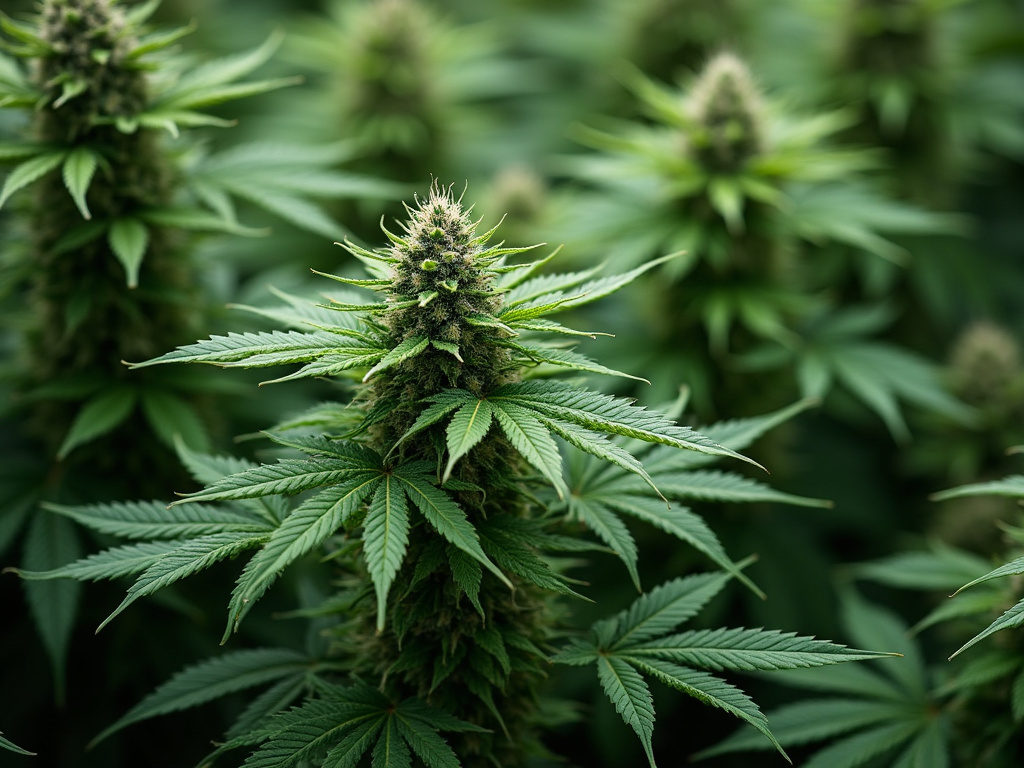
The Associate of Applied Science (AAS) in Cannabis is a specialized program tailored to meet the growing demand for skilled professionals in the cannabis industry. This program offers a unique blend of theoretical knowledge and hands-on training, preparing students for various careers in this emerging sector. The curriculum is designed to be industry-focused, ensuring students gain practical skills and insights relevant to the local cannabis market in Hialeah.
To qualify for the AAS Cannabis program, applicants typically need a high school diploma or equivalent. While there are no specific prerequisites, a strong interest in cannabis cultivation, extraction, and/or sales is essential. Students learn about cannabis biology, cultivation techniques, quality control, and legal/regulatory frameworks. They might study different cannabis strains, their unique properties, and how to cultivate them optimally. The program also covers business and marketing aspects, teaching students how to operate within the legal cannabis industry.
Upon completion, the cannabis qualifies individuals for a range of positions. These include roles as cannabis cultivators, extraction specialists, quality assurance technicians, and even small-business owners. The program’s value lies in its ability to provide specialized knowledge, ensuring graduates are well-prepared for the competitive job market in Hialeah’s cannabis sector. Many graduates find success at local dispensaries, agricultural businesses, or research institutions, contributing to the industry’s growth and innovation.
Skills Acquired and Career Paths in Cannabis

When considering a career in the burgeoning cannabis industry, the cannabis (AAS Cannabis) stands out as a specialized path. This program equips students with a unique skill set, making them well-prepared for diverse roles in this evolving sector. The curriculum, designed with industry insights, offers a blend of scientific knowledge, cultivation practices, and business acumen, ensuring graduates are versatile and market-ready.
The skills acquired during this process are extensive. Students gain hands-on experience in cannabis cultivation, learning about plant biology, growing techniques, and harvest processing. They also examine the chemical properties and potential therapeutic applications of cannabis, which is crucial given the industry’s growing focus on cannabis-based medicine. Beyond cultivation, the program introduces business strategies, regulatory compliance, and marketing, enabling graduates to navigate the complex cannabis landscape. Understanding local regulations and their impact on dispensary operations is a key advantage.
Choosing the right AAS Cannabis provider is essential. Students should look for programs that foster industry connections, offering internships or partnerships with local cannabis businesses, research institutions, and government agencies. These collaborations provide real-world experience and networking opportunities. The process involves application, interviews, and possibly a portfolio showcasing one’s passion and prior experience. Is it worth the investment? Absolutely, given the industry’s potential and the program’s ability to prepare graduates for high-demand roles. The job market for cannabis specialists is robust, with opportunities in cultivation, research, sales, and more.
| Factor | What to know |
|---|---|
| Admission requirement | High school diploma or equivalent; no specific prerequisites required |
| Core curriculum | Cannabis biology, cultivation techniques, quality control, legal/regulatory frameworks |
| Business skills taught | Marketing, business strategies, and regulatory compliance for dispensary operations |
| Career paths | Cultivators, extraction specialists, quality assurance technicians, small-business owners |
| Industry connections | Internships and partnerships with dispensaries, agricultural businesses, research institutions |
| Program selection tips | Choose providers with strong alumni networks and industry ties |
Navigating the Industry After Graduation
Upon completing your Cannabis, the real work of navigating this burgeoning industry begins. The choice of a reputable provider is crucial; it can open doors to exciting opportunities or lead to frustrating dead ends. How do you choose the cannabis program? Look for institutions with strong industry ties, offering hands-on training and a curriculum aligned with current market demands. Research their alumni network and connections to local cannabis businesses, research institutions, and government agencies. These connections can provide valuable insights and potentially lead to internships or employment.
The Cannabis process involves a combination of classroom learning, laboratory work, and practical experience. You’ll study cannabis biology, cultivation techniques, extraction methods, and even the legal and regulatory landscape surrounding the industry. What does Cannabis include? In addition to core subjects like botany and chemistry, you may examine topics like cannabis pharmacology, product development, and quality control. These programs prepare you for certification exams, ensuring you have the knowledge to meet industry standards and regulations.
Graduating with an Cannabis degree positions you for a variety of roles, from cannabis cultivator to product developer or even a specialist in compliance. Some graduates choose to continue their education, pursuing a Bachelor’s or Master’s degree in related fields. Others dive straight into the workforce, securing positions at local cannabis dispensaries, agricultural businesses, or research institutions. The industry is dynamic, offering opportunities for growth and innovation, so be prepared to adapt and stay current with industry trends and developments.
Frequently Asked Questions About Associate Of Applied Science Cannabis
What is the cannabis?
This degree program focuses on the practical application of cannabis cultivation, processing, and industry knowledge. It prepares students for careers in the growing, manufacturing, and retail aspects of the cannabis industry, ensuring they have the hands-on skills and theoretical understanding needed to thrive in this emerging market.
What are the typical courses in this program?
The curriculum covers a range of topics, including cannabis botany, cultivation techniques, extraction methods, legal and regulatory frameworks, business management, quality control, and safety protocols. Students gain both theoretical knowledge and practical experience through laboratory sessions, field trips, and industry partnerships.
Are there any licensing or certification requirements for this field?
In Florida, individuals seeking to work in the cannabis industry must adhere to state regulations. While an Associate of Applied Science degree is not always required, it can enhance job prospects and open doors to specialized roles. Certification may be needed for specific tasks, such as handling and testing, which vary by employer and job function.
What types of careers are available after completing this degree?
Graduates can pursue careers as cannabis cultivators, extraction specialists, quality assurance technicians, retail store managers, or even entrepreneurs starting their own cannabis businesses. The program equips students with the skills to work in various segments of the industry, from production to retail and distribution.
How long does it typically take to complete the program?
The Associate of Applied Science program usually takes about two years to complete, depending on the student’s enrollment status and whether they attend part-time or full-time. This timeline includes both classroom instruction and practical training, ensuring students gain a comprehensive understanding of the cannabis industry.
Can I get financial aid for this program?
Yes, financial aid is available for qualified students. Hialeah College offers various scholarship opportunities and financial aid packages to support individuals pursuing careers in the cannabis industry. Students are encouraged to contact the college’s financial aid office for more information on eligibility and application processes.
Are there any ongoing industry trends or developments relevant to this degree?
The cannabis industry is rapidly evolving, with increasing legalizations and changing consumer preferences. Graduates of this program stay ahead of the curve by learning about new cultivation techniques, extraction methods, and emerging market trends. Staying informed about industry news and attending relevant workshops and conferences is highly encouraged.
Completing the cannabis program equips graduates with a deep understanding of the cannabis industry, from science and cultivation to regulation and business practices. This education opens doors to a diverse range of career paths, from working directly with cannabis plants to managing dispensaries or contributing to research. The program’s industry-focused curriculum and hands-on training ensure that students are job-ready, prepared to navigate the dynamic landscape of legal cannabis. Upon graduation, connecting with local cannabis dispensaries, agricultural businesses, and research institutions can provide valuable networking opportunities. Staying informed about evolving regulations from government agencies is crucial for success in this growing field. By capitalizing on these insights, Cannabis graduates are well-positioned to thrive in this burgeoning industry.
Beal University
99 Farm Rd, Bangor, ME 04401
(207) 307-3900
Website: beal.edu
View Beal University on Google Maps
For related local guidance, see our associate of applied science cannabis resources.