
Key Takeaways
- An Associate of Applied Science in Cannabis offers specialized training for a burgeoning industry, preparing individuals for diverse roles in legal cannabis operations.
- Curricula covers a range of topics, including botany, cultivation, extraction, legal frameworks, and patient care, providing a comprehensive understanding of the cannabis plant and its applications.
- Graduates can pursue careers as cannabis cultivators, technicians, patient advocates, or even open their own cannabis-related businesses in the legal market.
- The program’s hands-on approach, including laboratory work and field trips to cannabis farms, ensures students gain practical experience alongside theoretical knowledge.
- With the legal landscape evolving, this degree prepares individuals to stay current with regulations and adapt to the changing cannabis industry.
- Many employers in the cannabis sector value formal education, making this degree a competitive advantage when seeking employment in this expanding field.
- The program’s focus on ethical and responsible cannabis use promotes a patient-centric approach, crucial for those entering the medical cannabis field.
The cannabis is a specialized degree focused on the cultivation, processing, and business aspects of cannabis. This program equips students with knowledge of cannabis botany, cultivation techniques, legal regulations, and industry best practices. Graduates are prepared to enter the growing cannabis market, contributing to its safe and sustainable development.
Associate Of Applied Science In Cannabis Business Administration Online: Where to Start
Looking for associate of applied science in cannabis business administration online? associate of applied science in cannabis business administration online at Beal University can answer your questions directly.
In the rapidly evolving cannabis industry, the cannabis program emerges as a critical path to specialized careers. As New York’s cannabis market expands, Westchester’s industry-focused curriculum prepares students for in-demand roles, from cultivation and extraction to dispensary operations. This hands-on training, designed in collaboration with local cannabis businesses, ensures graduates are job-ready, equipped to navigate the complex regulatory landscape, and positioned to contribute to the state’s burgeoning cannabis sector. By offering comprehensive training and certification preparation, this program bridges the gap between academic learning and real-world application, fostering the next generation of cannabis professionals.
- Understanding the cannabis Program
- Core Curriculum: What You'll Learn in the Program
- Career Paths After Completing Your Cannabis Degree
Understanding the Associate Of Applied Science Cannabis Program
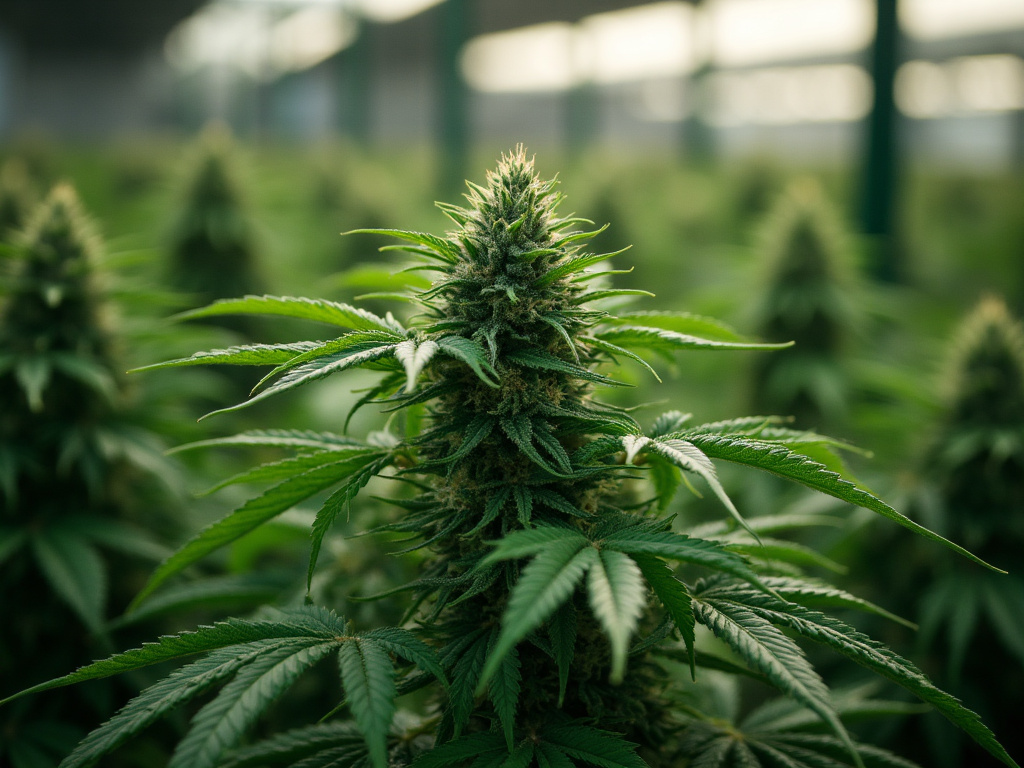
The cannabis (AAS Cannabis) program offers a specialized, industry-focused approach to education, preparing students for a growing and dynamic cannabis industry. This hands-on curriculum covers the science behind cannabis cultivation, production, and administration, with a keen eye on regulatory compliance and sustainability. Students gain valuable experience through partnerships with local cannabis dispensaries, agricultural businesses, and research institutions, affording them opportunities to learn from industry experts and stay abreast of the latest advancements.
Understanding what’s required to qualify for the AAS Cannabis program is crucial. While specific prerequisites may vary, a high school diploma or equivalent, along with a demonstrated interest in the cannabis industry, is typically the bare minimum. Some programs may also require a minimum GPA, basic skills assessments, or even previous work experience in the field. When choosing a provider, consider factors like program accreditation, faculty expertise, and industry connections. Programs that offer internships or have close ties to established cannabis businesses can provide a smoother transition from education to employment.
The process of applying to an AAS Cannabis program involves several key steps. Students should start by researching potential schools, reviewing their offerings, and ensuring they align with their career goals. Next, they must submit an application, which often includes personal information, academic records, and sometimes a statement of purpose or essay. Following acceptance, students can begin their coursework, which may include classes in cannabis biology, cultivation techniques, extraction methods, and legal and regulatory frameworks. The program culminates in a capstone project or internship, where students apply their knowledge and skills in a real-world setting.
Core Curriculum: What You'll Learn in the Program
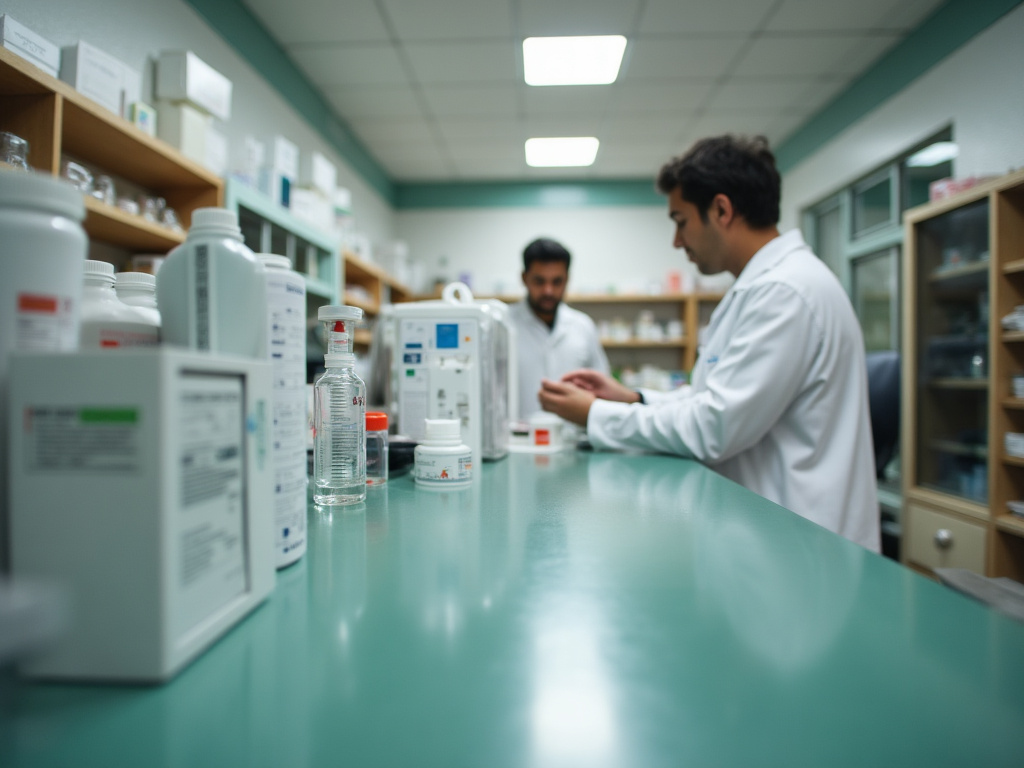
The core curriculum of the cannabis program is designed to equip students with a deep understanding of the cannabis industry, encompassing both scientific knowledge and practical skills. This includes a comprehensive exploration of cannabis botany, chemistry, and pharmacology, providing a solid foundation in the science behind the plant. Students examine the legal and regulatory frameworks governing the cannabis industry, learning about state and federal laws, as well as the role of government agencies in their region, such as Westchester.
Hands-on training is a cornerstone of these programs. Students gain practical experience in various aspects of cannabis cultivation, extraction, and product development. They learn about different cultivation techniques, harvest and processing methods, and quality control measures. Students might practice distilling cannabis oil or creating infused edibles, learning about the intricacies of each process. The curriculum also covers the business side of the industry, teaching students about marketing, sales, and inventory management, which are essential for success in local dispensaries or agricultural businesses in the Westchester area.
To qualify for the cannabis program, prospective students typically need a high school diploma or equivalent. While some programs may accept students with prior industry experience, many prioritize a strong academic foundation. Choosing a reputable provider is crucial. Look for programs accredited by recognized institutions, with connections to local cannabis businesses and research institutions. This ensures that the education aligns with industry demands and offers networking opportunities upon graduation. Partnerships with local dispensaries could facilitate internships or job placements, providing valuable real-world experience.
| Factor | What to know |
|---|---|
| Curriculum topics | Botany, cultivation, extraction, legal frameworks, and patient care |
| Admission requirements | High school diploma or equivalent, sometimes GPA or work experience |
| Hands-on training | Lab work, field trips to farms, and local business partnerships |
| Career paths | Cultivator, technician, patient advocate, or cannabis business owner |
| Program culmination | Capstone project or internship applying skills in real settings |
| Employer value | Formal education seen as competitive advantage in cannabis sector |
Career Paths After Completing Your Associate Of Applied Science Cannabis Degree
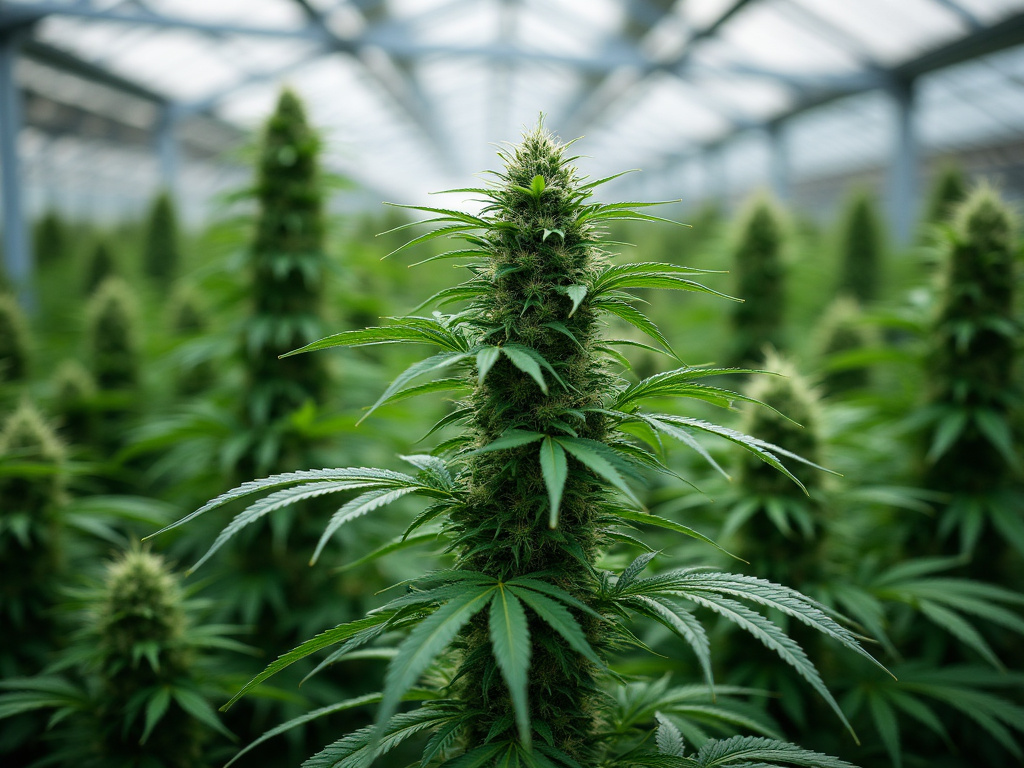
Upon completion of your Cannabis, you’re not just awarded a degree-you’re armed with the knowledge, skills, and industry connections to pursue a variety of dynamic career paths. The program’s industry-focused curriculum and hands-on training prepare you to enter a burgeoning field with immense potential. This includes roles at local cannabis dispensaries, agricultural businesses, research institutions, and even government agencies.
Choosing the right provider is crucial. Look for institutions offering comprehensive programs that include topics like cannabis botany, cultivation, extraction, and legal aspects. Check their faculty and alumni networks, as these can open doors to internships and jobs. Remember, the Cannabis process involves more than just classroom learning; it includes laboratory work, field experiences, and preparing you for industry certifications.
Upon graduation, you’ll be well-prepared for careers like cannabis cultivation specialist, quality control analyst, dispensary manager, or even cannabis researcher. Some graduates have found success in consulting, helping new businesses navigate the legal and logistical complexities of the industry. The key is to leverage your education, build a strong professional network, and stay current with the latest advancements in cannabis science.
Frequently Asked Questions About Associate Of Applied Science Cannabis
What is the cannabis?
This is a two-year associate degree program focused on the growing, cultivation, processing, and distribution of cannabis. It equips students with hands-on skills and knowledge to enter the cannabis industry, which is legalizing in many states across the US.
Are there different types of cannabis programs available?
Yes, programs can vary by school and focus. Some emphasize cultivation and growing techniques, while others concentrate on extraction, product development, or business management within the cannabis industry.
What kind of classes can I expect in a cannabis program?
Curricula typically include botany, growing techniques, chemical analysis, business law, marketing, quality control, and safety regulations. Many programs also offer internships or fieldwork to gain practical experience.
Will I need any prior experience or knowledge to enroll?
While a high school diploma or GED is usually required, many programs are open to individuals with diverse backgrounds. Basic knowledge of science, math, and English is beneficial, but most schools offer remedial courses for students who need them.
Are there any licensing or certification requirements for cannabis jobs?
Requirements vary by state and job role. However, many cannabis-related positions, especially those involving cultivation, processing, or sales, may require a license or certification specific to the state or industry.
Can I transfer my credits from another program if I’ve already completed some coursework?
Transferability of credits depends on the school and the programs you’ve previously completed. It’s essential to speak with admissions and academic advisors at the cannabis program to understand the transfer possibilities.
What are the career opportunities after completing a cannabis program?
Graduates can pursue roles as cannabis cultivators, processors, quality control specialists, product developers, sales representatives, or even open their own cannabis businesses. The industry’s growth offers diverse career paths and opportunities for entrepreneurship.
Completing the cannabis degree equips you with a deep understanding of the cannabis industry, from science and cultivation to regulation and business practices. This program’s industry-focused curriculum, combined with hands-on training, prepares graduates to enter a growing field with diverse career paths. Whether you aspire to work in local cannabis dispensaries, agricultural businesses, or even with government agencies, this degree offers a solid foundation. By fostering connections with local stakeholders and research institutions, the program ensures graduates are well-positioned to contribute to and benefit from the evolving cannabis landscape in Westchester.
Beal University
99 Farm Rd, Bangor, ME 04401
(207) 307-3900
Website: beal.edu
View Beal University on Google Maps
For related local guidance, see our associate of applied science cannabis resources.