
At a glanceAn Associate of Applied Science in Cannabis is a specialized degree focused on the cultivation, processing, and business aspects of the cannabis industry. Students learn about plant biology, cultivation techniques, extraction methods, and legal regulations, preparing them for careers in growing, processing, and marketing cannabis products. This hands-on degree equips graduates with the skills to enter the rapidly growing legal cannabis market.
Key Takeaways
- An Associate of Applied Science in Cannabis offers a specialized education path in the burgeoning cannabis industry, catering to diverse career aspirations from cultivation to sales.
- Understanding the legal landscape and safety regulations is paramount for success in the cannabis field, as these regulations vary by region and product type.
- Hands-on training in cultivation techniques, extraction methods, and product development equips graduates for a variety of roles within the industry.
- The growing demand for legal cannabis products creates numerous job opportunities, with roles ranging from budtenders to medical cannabis researchers.
- Completing a degree program can enhance employability, command higher salaries, and demonstrate a commitment to professional development in a dynamic field.
- Networking opportunities through industry events and partnerships with accredited institutions can open doors to career advancement within the cannabis sector.
- Staying informed about emerging research, technologies, and consumer trends is crucial for professionals aiming to thrive in the evolving cannabis market.
The cannabis industry is rapidly evolving, demanding skilled professionals to navigate its complex landscape. However, a shortage of qualified personnel has emerged as a significant challenge, hindering the sector’s growth and potential. This is where the cannabis (AASC) degree steps in as a vital solution.
Associate Of Applied Science In Cannabis Business Administration Online: Where to Start
Looking for associate of applied science in cannabis business administration online? Beal University associate of applied science in cannabis business administration online can answer your questions directly.
The AASC program offers a unique opportunity to prepare students for this burgeoning industry, combining theoretical knowledge with hands-on training. By partnering with local cannabis dispensaries, agricultural businesses, and research institutions, the curriculum ensures relevance and industry-focused preparation. Students gain insights not just from academic experts but also from practitioners on the front lines of cannabis cultivation, extraction, and dispensing.
This article examines the program’s design, industry connections, and its role in addressing the skills gap, providing a practical guide for aspiring professionals in this dynamic field.
- Understanding the cannabis Curriculum
- Preparing for a Career in Cannabis: Education and Skills
- Licensure and Job Opportunities in the Cannabis Industry
Understanding the Associate Of Applied Science Cannabis Curriculum

When examining the cannabis, understanding the curriculum is crucial. This program, often referred to as Cannabis Science, goes beyond a surface-level exploration of the plant. It’s designed to equip students with the knowledge and skills needed to thrive in this evolving industry. The curriculum is industry-focused, ensuring students gain practical insights from real-world applications. Hands-on training is a cornerstone, allowing students to engage with cannabis science in a controlled environment before entering the field.
The cannabis process involves a structured journey through various topics. Students examine the botany and chemistry of cannabis, learning how to identify different strains and understand their unique properties. They explore extraction methods, from CO2 to solvent-based, and their impact on product quality. Regulatory compliance and safety protocols are also central, as the legal landscape surrounding cannabis is complex. Students learn how to navigate these waters, ensuring they understand the legal requirements and best practices for safe handling.
Choosing a provider for this specialized training is a critical step. Look for programs that offer strong industry connections, like partnerships with local cannabis dispensaries, agricultural businesses, and research institutions. These affiliations provide real-world context and networking opportunities. Verify that the curriculum aligns with current industry standards and includes hands-on, practical training. A robust curriculum might include a field trip to a local cannabis farm, where students can observe cultivation practices firsthand. A well-rounded Cannabis program prepares graduates to contribute meaningfully to this dynamic industry.
Preparing for a Career in Cannabis: Education and Skills
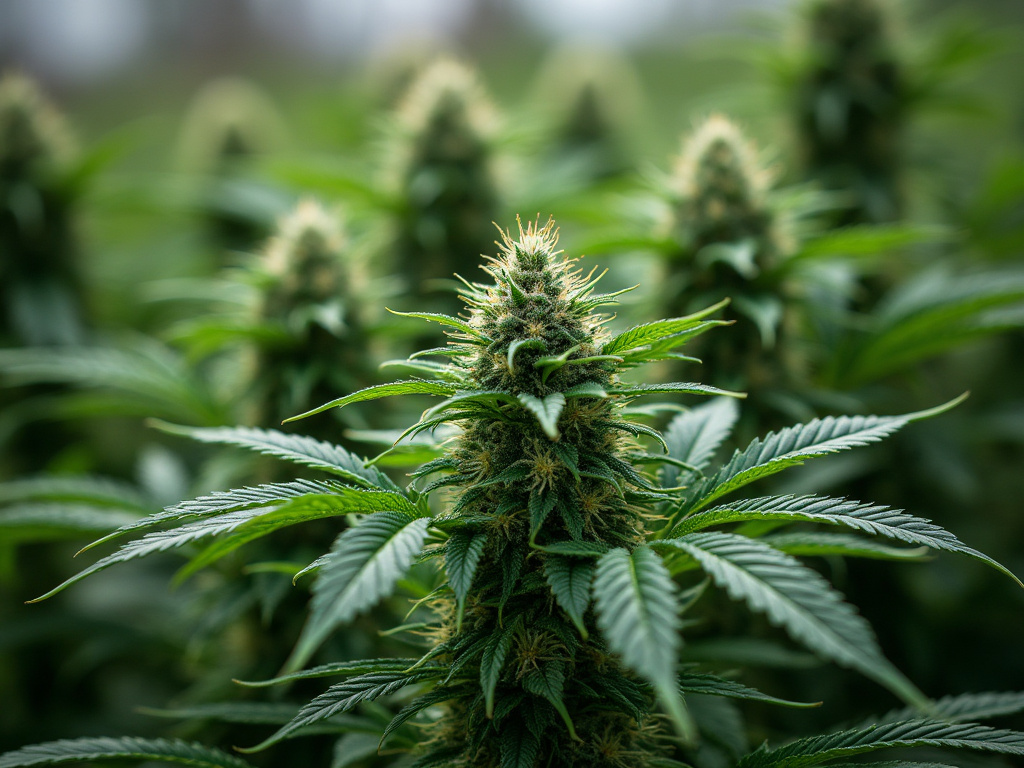
Preparing for a career in the cannabis industry requires a specific set of skills and knowledge, making the cannabis a valuable asset. This program, often referred to as an AAS in Cannabis Science, includes a comprehensive curriculum designed to equip students with the expertise needed to thrive in this burgeoning sector. The process involves an industry-focused approach, combining theoretical learning with hands-on training, ensuring graduates are job-ready.
The cannabis curriculum typically covers a wide range of topics, from the science behind cannabis cultivation and chemistry to business and regulatory affairs. Students learn about different cannabis strains, extraction methods, and product development, gaining a deep understanding of the plant’s diverse applications. Hands-on training might include laboratory work for quality control, field experiences for agriculture, and internships at local cannabis dispensaries or research institutions. This diverse learning experience ensures students are prepared for various roles, from budtenders and cultivators to researchers and business entrepreneurs.
Is Cannabis worth the investment? The cannabis industry is projected to continue its rapid growth, creating numerous job opportunities. An AAS in Cannabis Science can open doors to careers that offer competitive salaries and fulfilling work. The program’s industry connections, often facilitated by partnerships with local businesses and government agencies, provide valuable networking opportunities. Many graduates find themselves well-positioned to enter the workforce, leveraging their specialized skills in a dynamic and innovative industry.
| Factor | What to know |
|---|---|
| Curriculum focus | Covers plant biology, cultivation, extraction methods, and legal regulations |
| Hands-on training | Includes lab work, field experiences, and internships at dispensaries or farms |
| Industry partnerships | Collaborates with dispensaries, agricultural businesses, and research institutions |
| Regulatory knowledge | Teaches legal compliance and safety protocols across regions and products |
| Career outcomes | Prepares graduates for roles from budtenders to medical cannabis researchers |
| Industry growth | Growing legal cannabis market creates many new job opportunities |
Licensure and Job Opportunities in the Cannabis Industry

The path to a career in the burgeoning cannabis industry starts with the cannabis (AAS Cannabis) degree. This program, focused on cannabis science, offers a unique blend of classroom learning and hands-on training, preparing students for the diverse roles within this dynamic sector. For those questioning Is Cannabis worth it?, understanding the industry’s evolving landscape is crucial. The legalization wave has sparked a demand for skilled professionals, from cultivation specialists to dispensary managers, creating a robust job market.
The AAS Cannabis process involves a structured curriculum designed to meet industry standards. Students examine topics such as cannabis biology, cultivation techniques, and legal frameworks, gaining a comprehensive understanding of the plant and its applications. Practical training is a cornerstone, often including internships or partnerships with local cannabis dispensaries, agricultural businesses, or research institutions. This real-world experience not only enhances learning but also fosters industry connections, a valuable asset when entering the job market.
To qualify for the cannabis, prospective students typically require a high school diploma or equivalent, though some programs may offer alternative entry points. A commitment to the field is essential, as is a willingness to adapt to its evolving nature. Upon completion, graduates are well-positioned to pursue certifications specific to their chosen career paths, further enhancing their employability in this thriving industry. A dispensary manager might pursue a license to sell, while a cultivation expert may seek specialized training in cannabis extraction.
Frequently Asked Questions About Associate Of Applied Science Cannabis
What is the cannabis?
An Associate of Applied Science (AAS) in Cannabis is a two-year degree program designed to prepare students for careers in the cannabis industry. It focuses on the scientific and business aspects of cannabis cultivation, processing, and distribution, offering hands-on training and classroom instruction.
What are the typical courses in this program?
Coursework includes cannabis botany, cultivation techniques, extraction methods, legal and regulatory frameworks, business management, and quality control. Students also learn about different cannabis strains, their properties, and how to analyze them.
Does this program lead to any certifications?
Upon completion, graduates may be eligible for industry certifications such as the Certified Cannabis Specialist (CCS) or similar credentials, which can enhance job prospects and demonstrate expertise.
Can I learn about cannabis consumption and safety?
Absolutely. The program educates students on responsible cannabis consumption, including the potential risks and benefits, as well as safe handling practices to prevent contamination during production and distribution.
Are there any career opportunities after completing this degree?
Graduates can pursue careers as cannabis cultivators, processors, quality control specialists, business managers, or consultants. The legal and growing cannabis industry is expanding, creating diverse job prospects for qualified individuals.
What are the admission requirements?
Applicants typically need a high school diploma or equivalent, with a focus on science, math, and business courses. Some programs may require basic skills assessments and interviews.
Where can I find more information about this program?
Contact local community colleges or universities offering the cannabis degree for detailed program information, tuition, and application procedures. They can provide the most up-to-date and accurate data.
Completing this in-depth exploration of the cannabis program, we can confidently state that this specialized education is a powerful tool for anyone seeking a rewarding career in this burgeoning industry. By combining a rigorous industry-focused curriculum with hands-on training, graduates are equipped with the knowledge and skills needed to excel in diverse roles, from cannabis science research to regulatory compliance and retail management.
Strong industry connections through local partnerships with dispensaries, agricultural businesses, and research institutions offer unparalleled opportunities for networking and real-world experience. The program’s emphasis on preparation for certification further ensures graduates are ready to meet the professional standards of this evolving sector.
The cannabis program is a strategic investment in your future, offering both immediate career advantages and a solid foundation for long-term success in a dynamic and promising field.
Beal University
99 Farm Rd, Bangor, ME 04401
(207) 307-3900
Website: beal.edu
View Beal University on Google Maps
For related local guidance, see our associate of applied science cannabis resources.